

Diagnostic Advances Tackling TB

Diagnostic Advances Tackling TB
Drug resistance is a challenge to the control of TB, being associated with reduced treatment success, higher mortality rates, spread of the disease and greater costs.
There are several categories of drug resistant TB, ranging from single drug resistance (SDR-TB) to extensive drug resistance (XDR-TB), with multi-drug resistance (MDR-TB) defined as resistance to both Isoniazid (INH) and Rifampicin (RIF). The drug resistance category determines the most effective treatment. For example, WHO recently introduced conditional treatment recommendations for patients infected with MDR-TB and pre-XDR-TB, comprising a 6-month regimen of bedaquiline, pretomanid, linezolid and moxifloxacin, known as the BPaLM regimen.
For several reasons, appropriate treatment should be initiated as soon as possible. Advances in TB diagnostics support rapid TB detection and therefore earlier treatment.
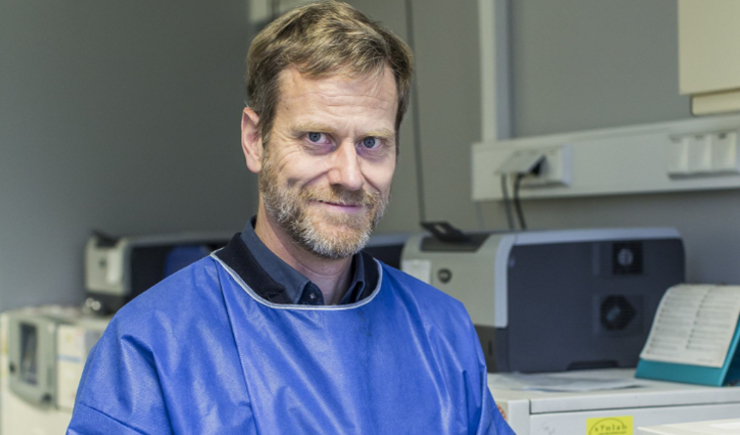
Dr. Hoffman presents innovative approaches to reduce the time for TB detection and susceptibility testing.
In December 2023, WHO published a catalogue of the Mycobacterium tuberculosis complex genome mutations which lead to drug resistance. This information allows targeted Next Generation Sequencing (tNGS) of bacteriologically confirmed pulmonary TB as well as resistant strains of TB, such as Rifampicin Resistant and MDR pulmonary TB.
His proposed timeline based on a typical working day is as follows:
08:00 -11:00 TB PCR and DNA extraction
11:00 -12:15 Multiplex PCR for tNGS
12:15 -13:45 Library preparation for sequencing
13:45 - 15:45 tNGS
15:45 - 16:30 Bioinformatic analysis
This new way of working has the potential to make a real difference to the control of global TB, as long as the correct treatments are instigated in a timely manner.

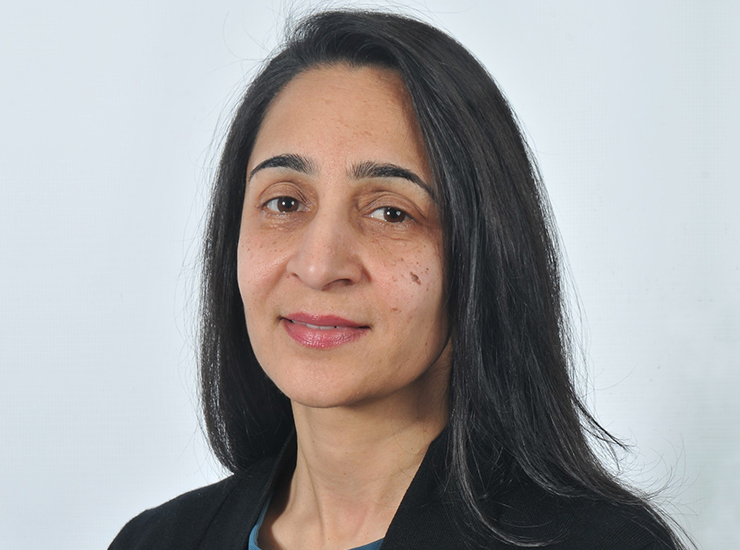
Dr. Farzana Ismail
Learning objectives:
Discover how the BD TB solution supports you with TB Diagnosis.
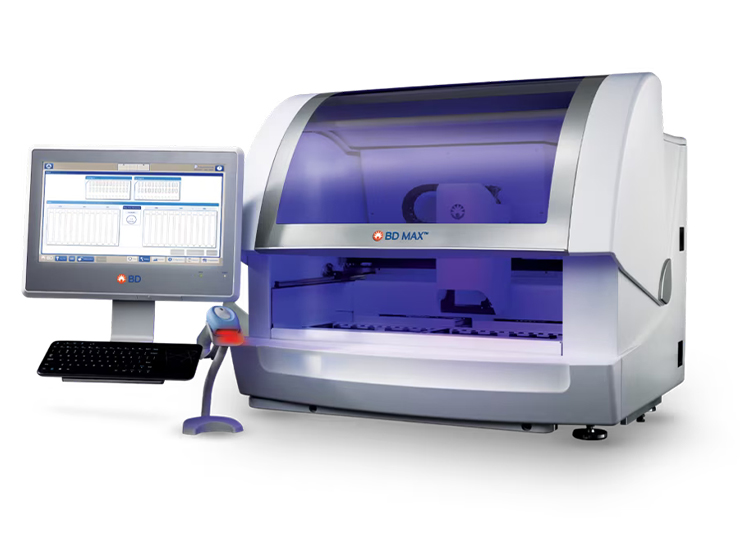
PCR can accelerate TB detection and is specifically recommended by WHO for pulmonary TB testing.

